
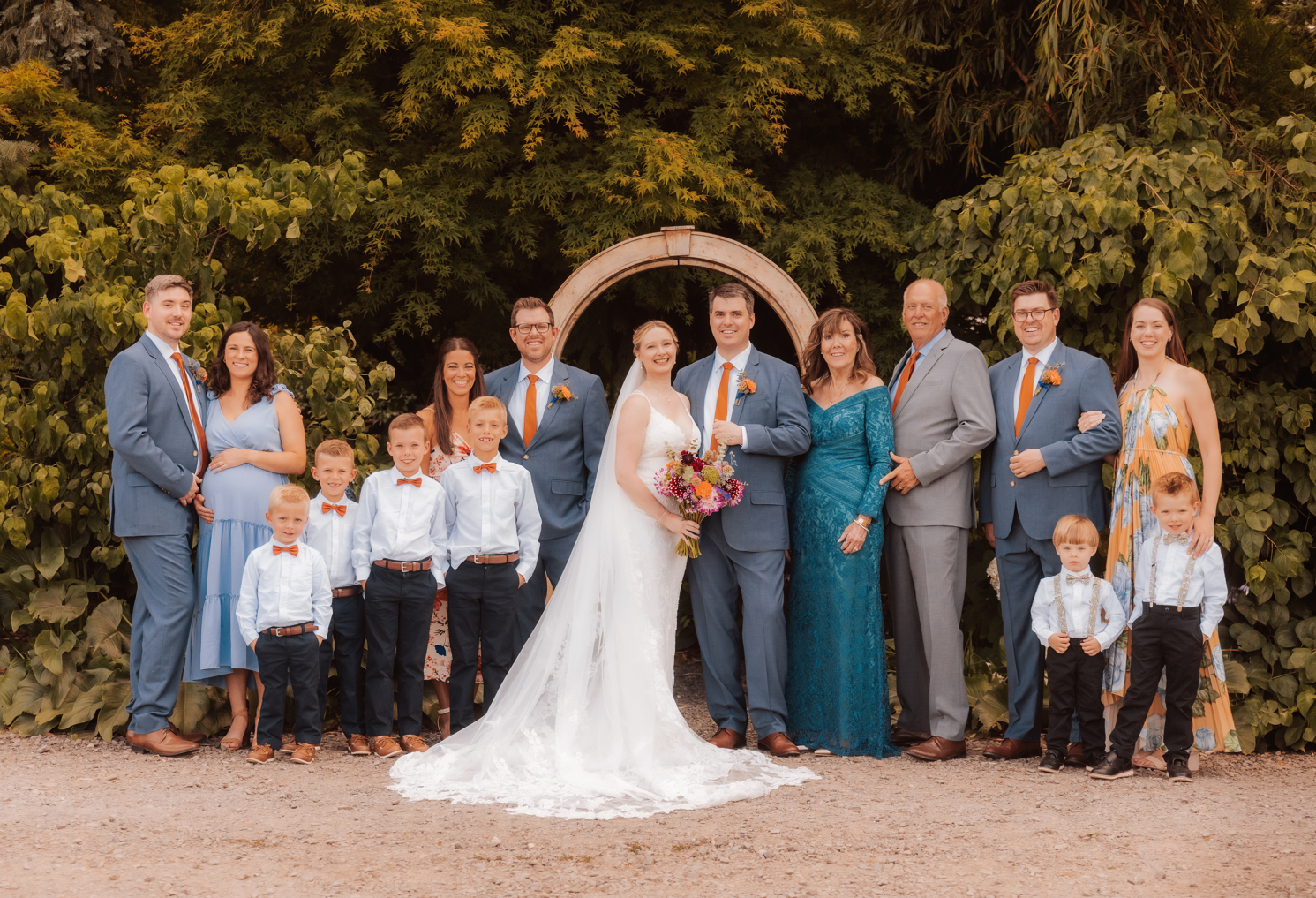
Compare full-service planning, partial planning, month-of coordination, and wedding design.
Learn what each service includes, what you will still be responsible for, and what you can expect to pay
Have about 10 minutes? Let us break down your wedding planning options.
If you grew up watching Father of the Bride, you might remember the wedding planning chaos being part of the entertainment. In real life, though, comparing vendors, figuring out layouts, coordinating arrival times, and making hundreds of little decisions can feel a lot less funny when you are the one responsible for them.
The good news? You do not have to manage every detail alone. Wedding planning services range from comprehensive support throughout the planning process to help with specific tasks or coordination closer to the wedding day.
The tricky part is that terms like full-service planning, partial planning, and day-of coordination are not used consistently across the industry. Two professionals can offer packages with the same name but very different responsibilities. Understanding the differences can help you decide what support makes sense for your priorities, budget, and the kind of experience you want to create.
As a venue team with years of experience coordinating weddings, we know that one of the most helpful places to start is understanding who is responsible for what. This guide covers four common types of wedding services, what they may include, and questions to ask before booking.
Full-Service Wedding Planning: Support From Start to Finish
Think of a full-service planner as your planning partner throughout the entire process. They help you make decisions, research vendors, organize details, and turn your ideas into a workable plan for the wedding day.
That does not mean they make every decision for you. You still decide what matters most, choose your preferred vendors, and approve important details. The difference is that you have a professional helping you navigate the process and handling much of the legwork along the way.
What does a full-service wedding planner help with?
Planning and decisions: Establishing priorities, working through your budget, creating a planning roadmap, tracking deadlines.
Vendor research and booking: Learning about your needs, vision, and budget, identifying suitable vendor options, contacting vendors to check availability. Requesting proposals and contracts, reviewing details and potential gaps, following up with vendors, and attending vendor meetings.
Layouts and logistics: Creating ceremony and reception floor plans, building a timeline around vendor arrivals and departures and the services being provided, and coordinating timing with vendors.
Ceremony planning: Discussing your ceremony needs, creating a ceremony logistics document, obtaining your approval, and sharing the plan with the wedding party and DJ so everyone understands the processional order and song selections.
Invitations and guest information: Helping select invitations, collect mailing addresses, work through wording and etiquette, assemble invitations for mailing, and organize wedding website content, guest information, and local recommendations for accommodations, transportation, dining, and entertainment.
Details and finishing touches: Helping bring together the smaller details that complete the overall vision, from selecting and coordinating personal touches to working through the larger design elements.
Rehearsal Coordination: Guiding the wedding party through the ceremony rehearsal so everyone knows their roles and feels ready for the wedding day.
Wedding-day coordination: Serving as the primary point of contact for vendors and other wedding-day questions, overseeing the plans, managing the timeline, and helping keep the day running smoothly. Full-service planners typically work approximately 10–12 hours on the wedding day.
What is still your responsibility?
Provide guest names and make the final decisions about whom to invite.
Decide where guests will sit and identify family members for reserved ceremony seating. Your planner can organize those decisions into documents and help place name cards or communicate assignments.
Share your preferences, priorities, budget, and necessary guest information.
Review proposals and contracts, make payments, and approve important plans before they are finalized.
Arrange physical setup and cleanup labor unless those services are specifically included. Your planner would however direct the setup and cleanup crews you hire.
What should you budget for full-service planning?
In Snohomish and King Counties, pricing starts around $6,500, and more extensive planning services starting around $14,000.
Nationally, full-service planning generally falls between $4,000 to $10,000 or more.
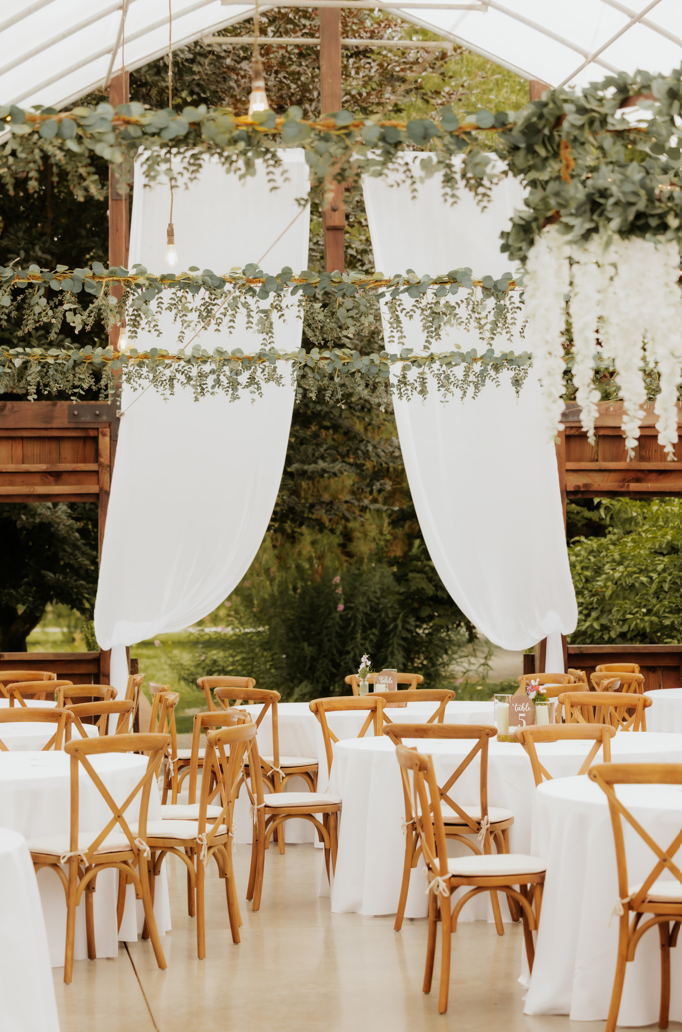


Partial Wedding Planning: Help With the Parts You Need Most
Partial wedding planning sits between full-service wedding planning and coordination, but it is not one standard package. This is where reading the actual service details becomes especially important.
One planner might help you narrow down vendors and work through a few challenging decisions. Another might take on more involved tasks, including creating your floor plan, timeline, and ceremony logistics.
For example, you might feel confident choosing your photographer and florist but have no idea how to organize the ceremony processional or build a timeline that accounts for every vendor. Partial planning can provide guidance with those specific areas without necessarily taking over the entire planning process.
What does a partial wedding planner help with?
Targeted planning support: Identifying your priorities, reviewing the decisions you have already made, and agreeing on which tasks your planner will handle and which will remain yours.
Vendor recommendations and booking support: Identifying vendor options tailored to your needs, vision, and budget. Depending on the services your planner provides, they may contact vendors, check availability, communicate requirements, request proposals, and help review contracts.
Layouts and timelines: Creating a reception floor plan and wedding-day timeline that accounts for vendor arrival and departure times, venue requirements, setup needs, hair and makeup, and photography.
Ceremony planning: Discussing your ceremony needs, creating a ceremony logistics document, obtaining your approval, and sharing the plan with the wedding party and DJ so everyone understands the processional order and song selections.
Selected planning details: Helping with specific tasks such as decor logistics, invitation selection, or other decisions agreed upon in advance.
Rehearsal Coordination: Leading the ceremony rehearsal and guiding the wedding party through the processional so everyone feels prepared for the wedding day.
Wedding-day coordination: Serving as the primary point of contact for vendors and wedding-day questions, overseeing the timeline, and managing the details to keep everything running smoothly. Planners typically work 10–12 hours on the wedding day.
What is still your responsibility?
Contact recommended vendors, check availability, request contracts, and complete bookings if those tasks are not included.
Manage vendor communications outside the responsibilities assigned to your planner.
Research and choose smaller details, such as rentals, purchased decor, wedding-party and family attire, and printed signs. Your planner may be able to recommend vendors.
Make the final seating assignments and identify family members for reserved ceremony seating.
Manage invitations and RSVPs, gather information, create planning documents, and complete other tasks that have not been assigned to your planner.
Arrange physical setup and cleanup help unless those services are specifically included. Your planner would however direct the setup and cleanup crews you hire.
How much does a partial planner cost?
In Snohomish and King Counties, packages typically start around $3,700 to $4,500 or more.
Nationally, partial planning generally ranges from $2,500 to $6,000.
What is the difference between full-service and partial planning?
While both services can include many of the same types of support, the biggest difference is how involved your planner is throughout the process. Full-service planning offers a more hands-on experience, with your planner guiding or managing the majority of the planning tasks from beginning to end. Partial planning provides guidance and support along the way, helping you navigate decisions, research vendors, and figure out the next steps while taking much of the mental load, time, and energy of trying to figure things out off your plate.
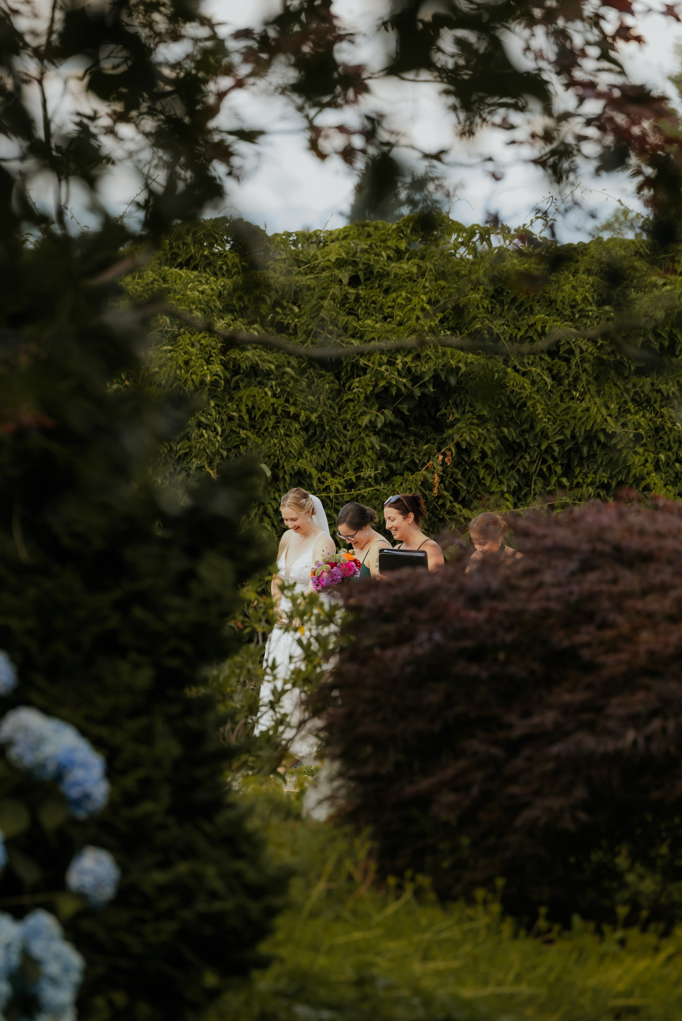
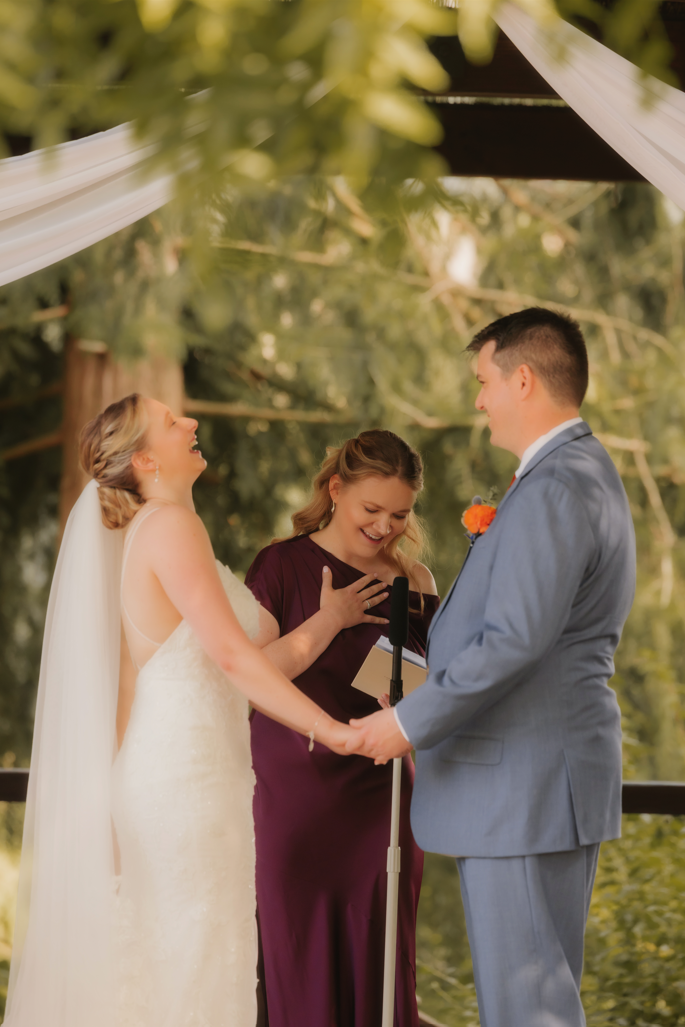
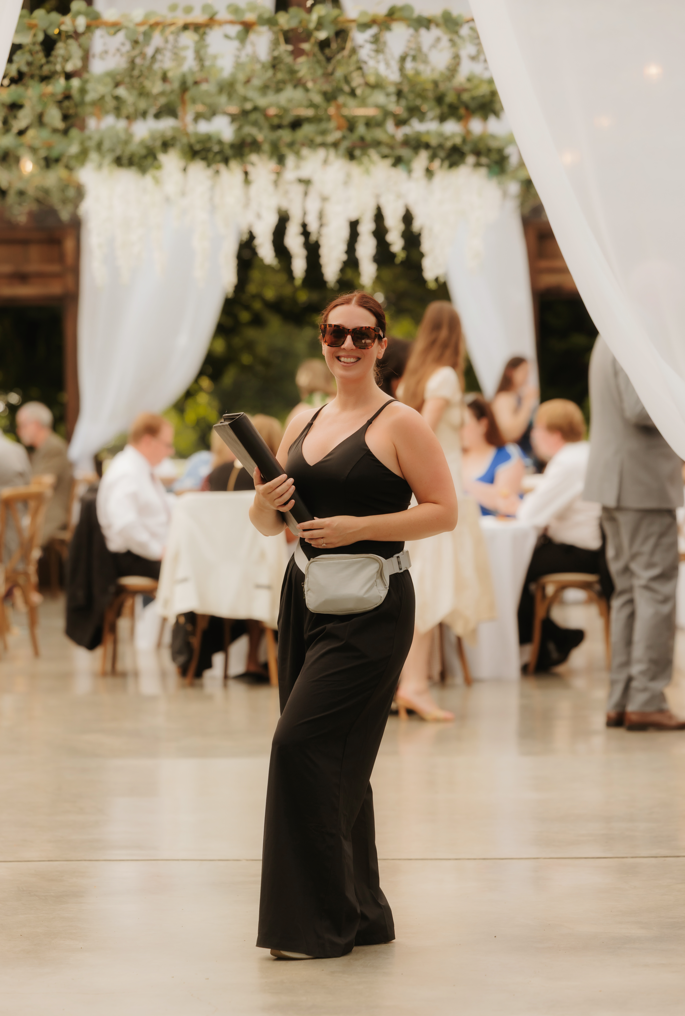
Month-Of and Day-Of Coordination: Someone Else Manages the Moving Parts
You have chosen your vendors, made your decisions, and created your plans. Now comes the part where all those details need to work together in real time.
That is where month-of or day-of wedding coordination comes in. Despite the names, coordination often begins weeks before the wedding. The start date, meetings, and amount of advance support depend on the package.
Rather than building your plans from scratch, the coordinator reviews what you have created, identifies gaps or timing conflicts, communicates approved details to vendors, and prepares to manage the logistics on the day.
What does a month-of or day-of coordinator help with?
Reviewing and preparing your plans: Reviewing the floor plan, timeline, decor plan, and ceremony logistics that you created, identifying missing information or timing conflicts, and recommending and making adjustments.
Flagging gaps: Reviewing vendor contracts to understand each vendor’s responsibilities, identifying potential gaps, and suggesting options for you to resolve.
Vendor communication: Sharing approved layouts, timelines, ceremony logistics, and venue requirements with vendors and confirming arrival and departure details within the agreed scope.
Rehearsal coordination: Leading the ceremony rehearsal and guiding family and wedding-party members on where to stand and when to walk down the aisle.
Setup and cleanup direction: Helping ensure the team understands the agreed layout and decor plan, knowing where items need to go, and confirming who is responsible for bringing items to the venue and removing them afterward.
Wedding-day logistics: Communicating with vendors, keeping the schedule moving, adjusting the timeline when delays occur, and sharing updates with affected vendors.
Gathering people for key moments: Helping bring family and wedding-party members together for scheduled photographs, speeches, and dances.
What is still your responsibility?
Create the original floor plan, ceremony logistics, and wedding-day timeline.
Make your vendor selections and complete the booking process.
Handle general planning communications and unresolved decisions outside the coordinator’s agreed responsibilities.
Provide complete information about your plans, decor, vendor responsibilities, and items that need to arrive at or leave the venue.
Resolve missing details and complete outstanding planning tasks before the coordinator takes over.
Arrange physical setup and cleanup labor unless specifically included. The coordinator can direct the process but does not automatically perform the labor unless included.
How much does it cost to hire a Month-Of or Day-Of coordinator?
In Snohomish and King Counties, pricing typically falls between $2,500 to $4,000.
Nationally, month-of and day-of coordination generally ranges from $1,600 to $2,500.
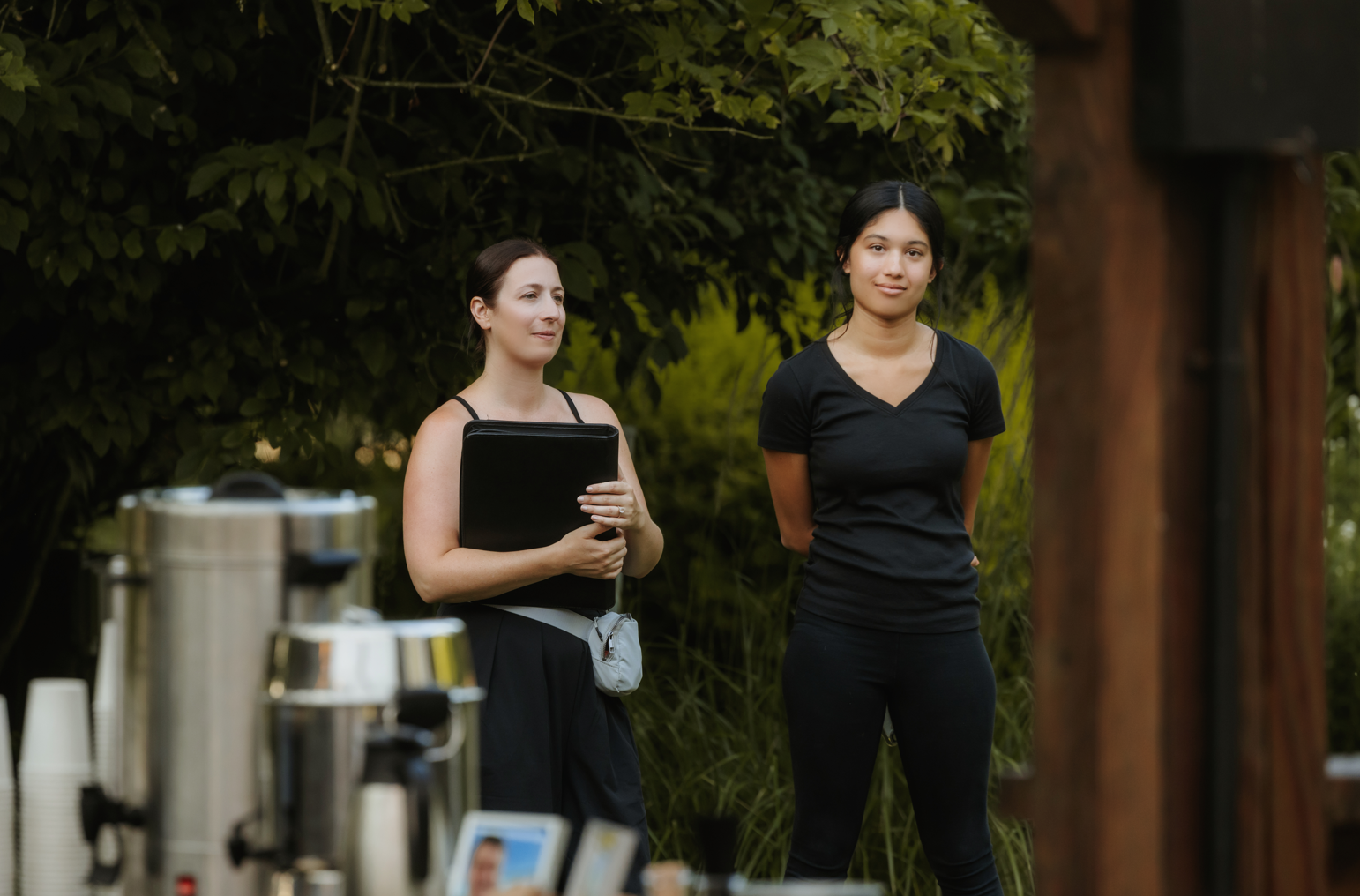

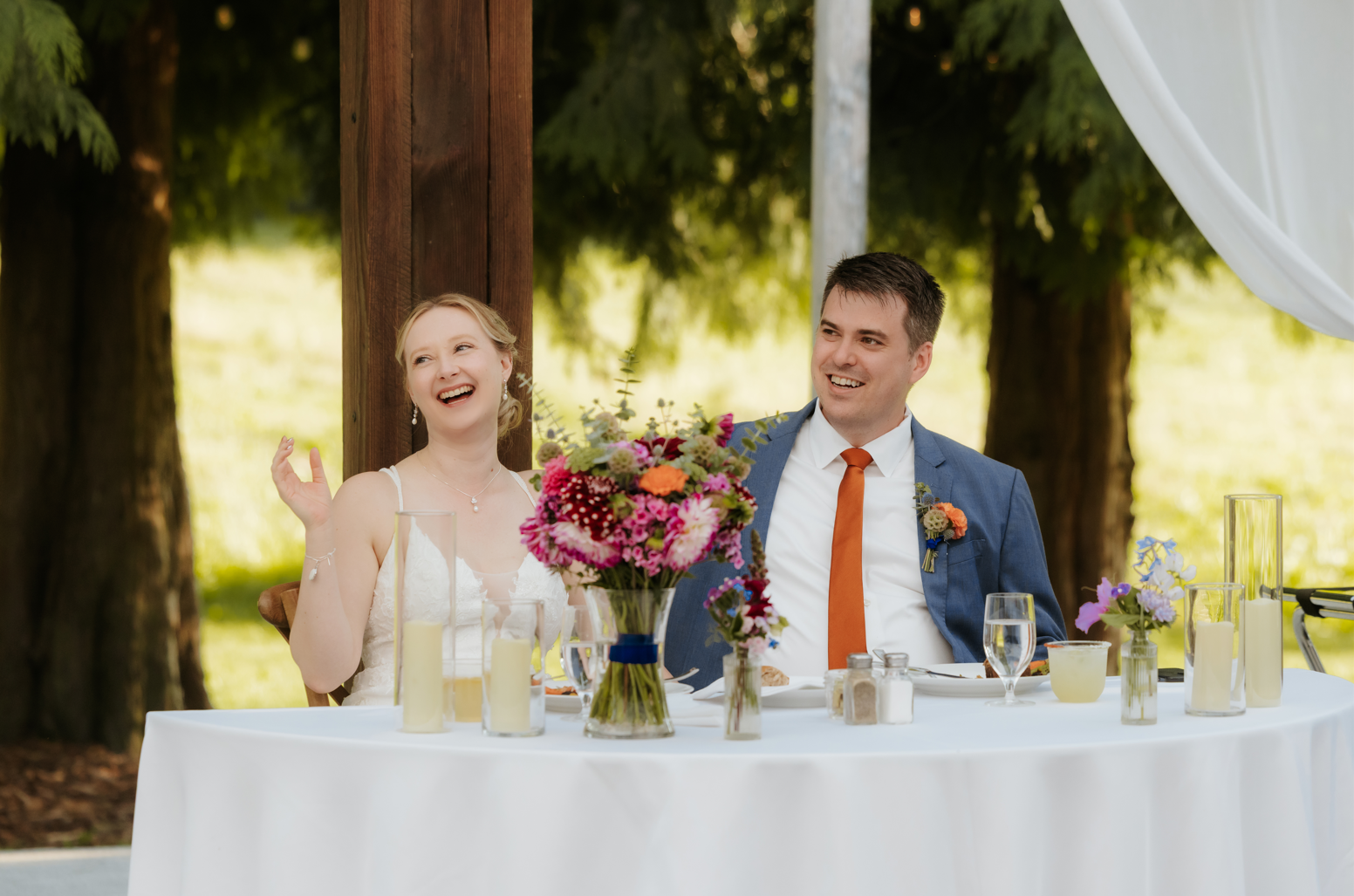
Wedding Design: Bringing Your Vision Together
You have saved inspiration photos, pinned decor ideas, and collected colors you love. But how do you make all those individual pieces work together in your actual venue?
Wedding design focuses on the visual experience: how the colors, textures, florals, signage, decor, and other details come together to create a cohesive look and feel.
What does a wedding designer help with?
Meet with you to understand your vision, preferences, priorities, and budget.
Develop a cohesive design direction, including colors, textures, decor, and other visual details.
Present options for decor, signage, and other design elements.
Help determine how the design will work within the venue layout.
Coordinate design details with florists or rental companies when included.
Create a design plan or reference document showing how the space and decor should look.
Provide setup direction so the intended look is communicated to the people installing the decor.
What is still your responsibility?
Share your preferences and approve the design direction.
Make decisions about how to allocate your budget.
Select items, finalize rental agreements, and coordinate approved delivery times when those tasks are not included.
Arrange setup and removal of decor items unless those services are specifically included.
How much does it cost to hire a wedding designer?
Wedding design pricing can vary widely depending on the scale of your vision and how much design support you need, from help developing a cohesive look to more extensive design services.
In Snohomish and King Counties, lower-cost services typically range from $2,000 to $3,000, mid-range services from $3,000 to $5,000, and higher-end design from $15,000 to $25,000 or more.
Nationally, estimates range from $3,000 to $8,000 for smaller weddings to $10,000 to $25,000 for more extensive design at mid-range weddings.



How to Choose the Right Wedding Planning Service
Instead of starting with a package name, start with the work you want help with.
Want someone involved throughout the process? Full-service wedding planning offers extensive guidance and hands-on support from early decisions through the wedding day.
Need help with particular planning tasks? Partial wedding planning provides more targeted support, though the exact responsibilities vary by package.
Comfortable planning but do not want to manage the wedding day? Month-of or day-of wedding coordination helps prepare and carry out the plans you have already made.
Need help creating a cohesive visual style? Wedding design focuses on how the details work together aesthetically.
You can also need more than one type of support. Planning, coordination, and design address different parts of the process, and some professionals offer overlapping services. Ask what is included before assuming one package covers everything.
Before booking, consider asking: When does the service begin? Who contacts and books vendors? Who creates the timeline and floor plan? Who leads the rehearsal? Who directs setup and cleanup? What tasks will I still need to complete myself? The answers will tell you much more than the package title alone.
The bottom line: You do not have to choose the most comprehensive service to get meaningful help, and hiring a professional does not mean giving up control of your wedding. The goal is to find the level of support that matches your priorities, your budget, and the amount of work you want to take on yourself.
Frequently Asked Questions When Choosing A Wedding Planning Service
Is month-of wedding coordination the same as day-of coordination?
Not always. Month-of coordination often includes advance review of plans and communication with vendors, while day-of coordination may involve a more limited period of involvement. Providers define these services differently, so confirm when the coordinator begins working with you and what is included.
Does a wedding planner book vendors for you?
Some planners research, recommend, and coordinate vendor bookings, while others provide guidance and leave final selection and booking to the couple. Review the agreement to understand whether vendor research, communication, contract review, and booking assistance are included.
Can you hire a wedding planner for just certain tasks?
Yes. Some professionals offer partial planning or à la carte services for specific needs. Availability and pricing vary, so ask whether the provider offers individual services or requires you to book a larger package.
Does wedding design include setup and décor installation?
Not automatically. Some design packages include installation or setup direction, while others focus on the visual plan and recommendations. Confirm who supplies the décor, manages deliveries, installs items, and handles removal.
Should you hire a planner if your venue has a coordinator?
A venue coordinator and a wedding planner or coordinator have different responsibilities. A venue coordinator focuses on the venue itself, managing venue-related logistics, answering questions about the space, and helping with needs connected to the property. However, some venues, like us at Terra Valley Farms, also offer wedding planning and coordination services that go beyond those responsibilities. A wedding coordinator who works for a venue can provide the same types of planning support as an independent coordinator.
TL;DR: Which Wedding Planning Service Is Right for You?
Not sure how much wedding planning support you need? Here is a quick ELI5 breakdown of the four main options.
Full-service planning: Best if you want support throughout the entire planning process, from organizing priorities and researching vendors to managing logistics and preparing for the wedding day. This is generally the most expensive option because it involves the greatest level of planning support.
Partial planning: Best if you want to handle much of the planning yourself but need professional guidance with specific decisions, vendors, or logistics. It is typically less expensive than full-service planning, while still providing more hands-on support than coordination alone.
Month-of or day-of coordination: Best if you want to do the planning yourself but need someone to review your plans, coordinate with vendors, and manage the logistics on your wedding day. This is generally one of the more affordable options because the service focuses on the final stages of planning and the wedding day.
Wedding design: Best if you want help bringing your ideas together into a cohesive visual style, from colors and decor to the overall look and feel of your celebration.
A few things to remember: These service names are not standardized, so packages can vary from one professional to another. Some services overlap, and not every package includes vendor booking, setup, cleanup, or design installation.
Before booking, ask what is included, when the service begins, which responsibilities remain yours, and what the total investment covers. The right fit is the one that supports your priorities, works with your budget, and gives you the level of help you actually need.
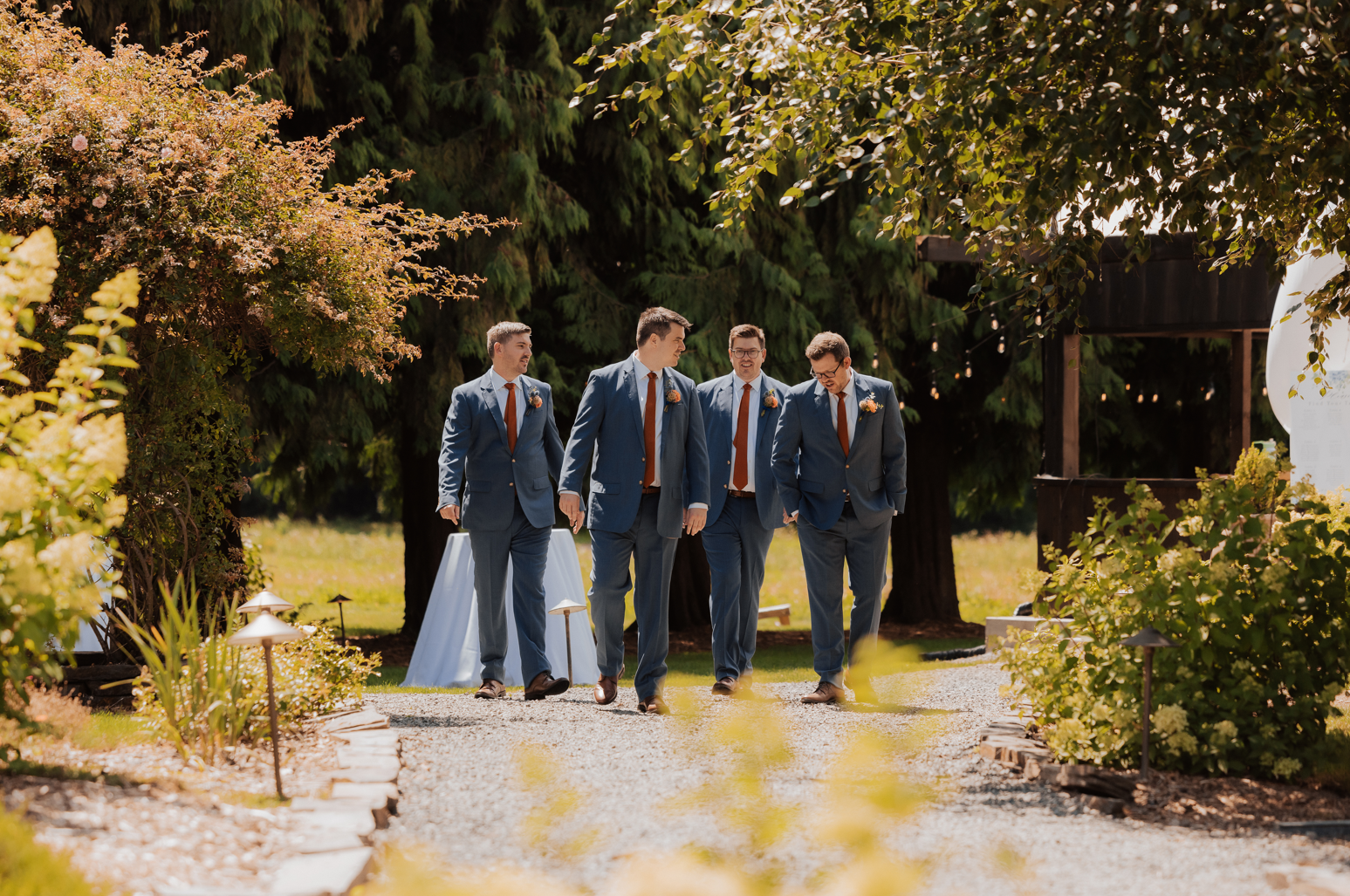
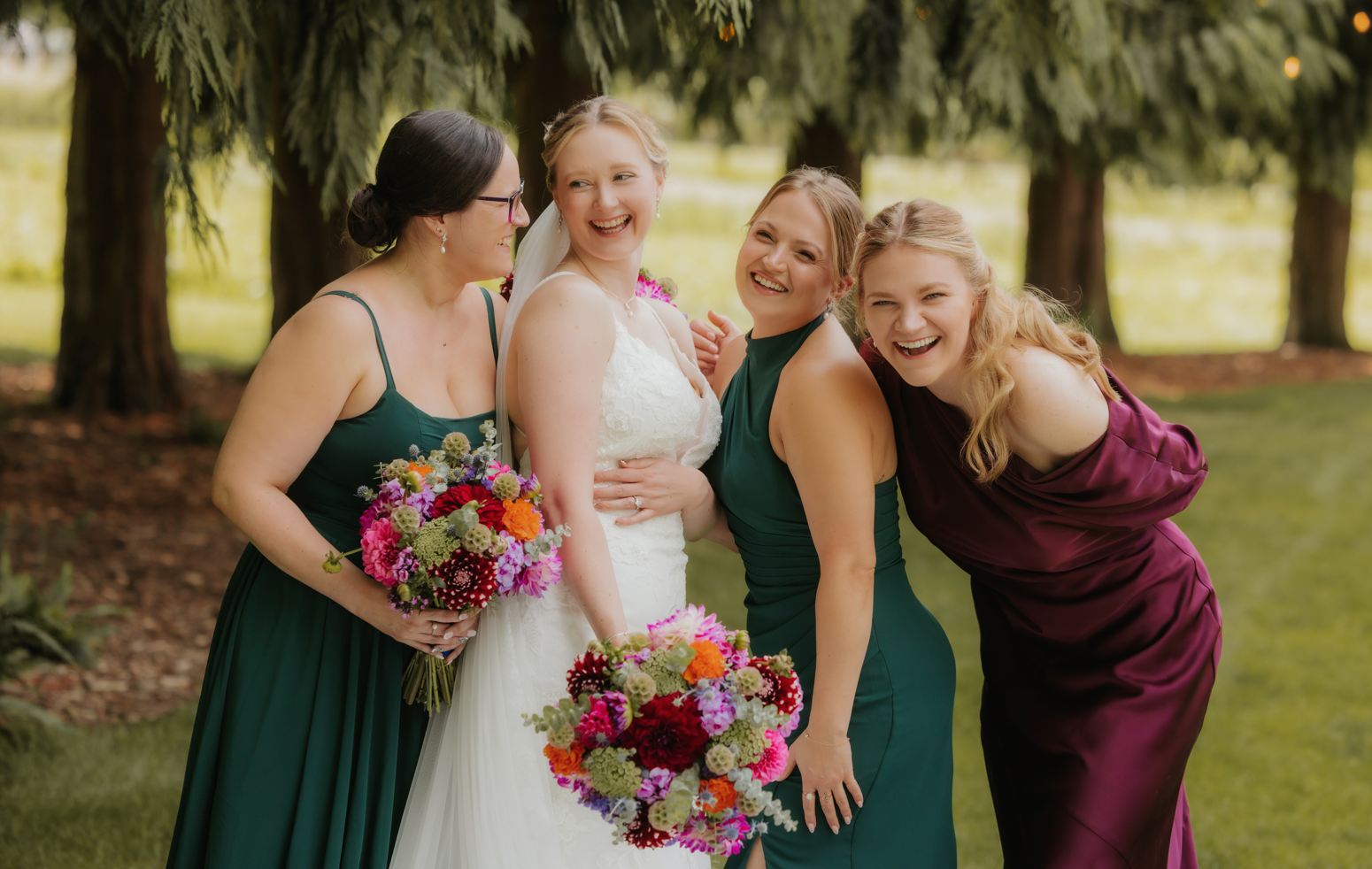

Photography: Megan Kelly | The Light Seeker Photography